
UNVEILING BRITAIN’S SECRETS: A JOURNEY TO STONEHENGE AND BATH
As I stepped off the plane at Heathrow Airport, I couldn’t help but feel a sense of excitement and anticipation. My destination was one of the world’s most mysterious prehistoric monuments, Stonehenge, and the stunning city of Bath, famous for its Roman Baths and Georgian architecture. Over the next three days, I would embark on a journey to uncover the secrets of these two incredible places in the UK.
DAY 1: ARRIVAL AND VISIT TO STONEHENGE
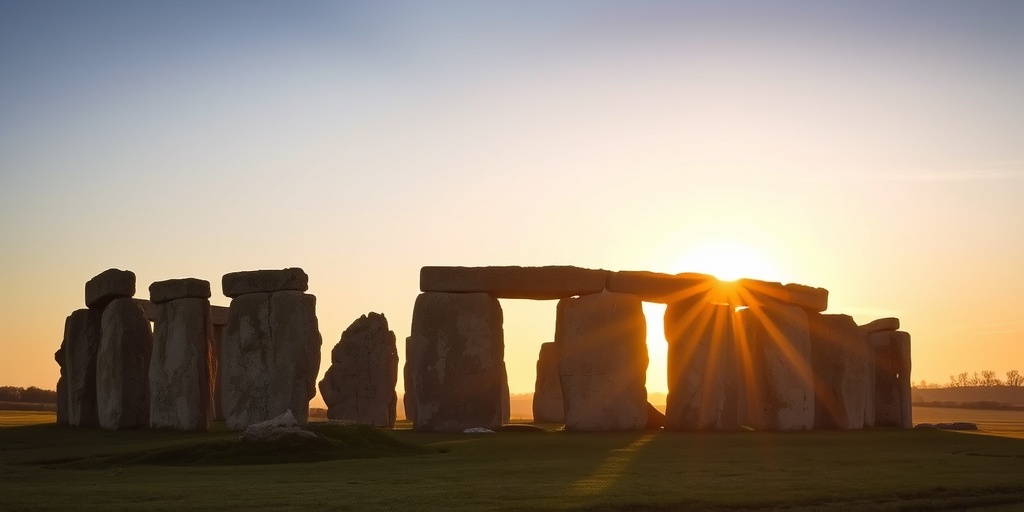
My arrival in Salisbury was marked by a sunny morning, setting the tone for an unforgettable day ahead. After collecting my luggage and taking a taxi to Stonehenge, I was struck by its sheer scale and grandeur. The iconic circle of stones stands majestically in the heart of Wiltshire countryside, a testament to the ingenuity and determination of our ancestors.
As I purchased a ticket for £16.50 and joined a group of tourists, our tour began with an audio guide that explained the history and significance of Stonehenge. The tour took us through various features such as the Heel Stone, aligned with the summer solstice sunrise, and the Sarsen Circle, where the largest stones are located. It was fascinating to learn about the construction of this ancient monument, which dates back to around 3000 BC.
The stones were brought from quarries in Wales, over 150 miles away, using a combination of ramps and pulleys. It’s estimated that it took thousands of workers to construct the monument, a staggering feat considering the limited technology available at the time.
As I walked around the site, I noticed that some tourists were trying to recreate the ancient rituals associated with Stonehenge. It was fascinating to see people from different cultures coming together to celebrate their shared human experience. The atmosphere was electric, and it was clear that this place has a special energy that draws visitors in.
ANALYSIS FROM DIFFERENT PERSPECTIVES
From an archaeological perspective, Stonehenge is a remarkable example of ancient engineering and construction skills. The precision with which the stones were aligned and constructed is a testament to the ingenuity of our ancestors.
However, from a spiritual perspective, Stonehenge has long been considered a sacred place. Many believe that the monument holds mystical powers, and visitors can feel this energy emanating from the site. Whether or not one believes in these claims, it’s undeniable that Stonehenge is a place of great significance and power.
From an economic perspective, Stonehenge is a significant tourist attraction, generating millions of pounds for the local economy each year. The site is managed by English Heritage, which works tirelessly to preserve the monument and provide an exceptional visitor experience.
DAY 2: VISIT TO BATH
After visiting Stonehenge, I drove to Bath, which is about a two-hour drive away. As I arrived in the city, I was struck by its elegance and sophistication. Bath is famous for its Roman Baths and Georgian architecture, making it a must-visit destination for anyone interested in history, art, or culture.
My first destination was the Roman Baths, some of the best-preserved ancient Roman remains in the world. The baths were built around 70 AD and were used by the Romans for over 300 years. Today, visitors can explore the remains of the temple, the basilica, and the hypocaust (a system of underfloor heating).
Next, I walked to the Royal Crescent, a stunning example of Georgian architecture. The Royal Crescent is a sweeping curve of elegant townhouses that were built in the 18th century. It’s hard not to be impressed by the grandeur and beauty of these buildings.
In the evening, I took a stroll along the River Avon and enjoyed the city’s vibrant atmosphere. Bath is known for its arts scene, and there are numerous galleries and museums to visit. As I walked along the river, I stumbled upon the Pulteney Bridge, which offers breathtaking views of the city.
ANALYSIS FROM DIFFERENT PERSPECTIVES
From an architectural perspective, Bath’s Roman Baths are a remarkable example of ancient engineering skills. The design and construction of the baths demonstrate the ingenuity and creativity of the Romans.
However, from a cultural perspective, Bath is a living, breathing example of Georgian culture and society. The Royal Crescent is a testament to the wealth and status of the city’s inhabitants during this period.
From an economic perspective, Bath is a thriving tourist destination, generating millions of pounds for the local economy each year. The city’s tourism industry is supported by numerous hotels, restaurants, and attractions, making it a must-visit destination for anyone interested in history, art, or culture.
DAY 3: DEPARTURE
My final day in the UK began with a leisurely stroll around Bath’s historic center. I visited the Jane Austen Centre, where I learned about the life and works of this famous author. I also popped into the Holburne Museum, which features an impressive collection of art and antiquities.
As I prepared to leave Bath, I couldn’t help but feel grateful for the opportunity to visit these two incredible places in the UK. From the ancient mysteries of Stonehenge to the elegance of Georgian architecture in Bath, this trip was truly unforgettable.
TRAVEL DETAILS
Destination: Stonehenge and Bath
Duration: 3 days
Mode of transport: Taxi from Heathrow to Salisbury, then drove to Bath
Accommodation: I stayed at a hotel in Bath
Activities:
+ Visited Stonehenge on Day 1
+ Explored the Roman Baths and Royal Crescent in Bath on Day 2
+ Strolled along the River Avon, visited the Pulteney Bridge, Jane Austen Centre, and Holburne Museum in Bath on Day 3.
As I reflect on my journey to Stonehenge and Bath, I am struck by the incredible diversity of experiences that these two places offer. From ancient mysteries to Georgian elegance, each destination provides a unique glimpse into the rich history and culture of the UK.
Whether one is interested in archaeology, art, architecture, or simply experiencing the best of British culture, Stonehenge and Bath are must-visit destinations. These incredible places have something for everyone, making them an unforgettable experience that will stay with visitors long after they leave the UK.
CONCLUSION
In conclusion, my journey to Stonehenge and Bath was a truly unforgettable experience. From the ancient mysteries of Stonehenge to the elegance of Georgian architecture in Bath, each destination provided a unique glimpse into the rich history and culture of the UK. As I reflect on this journey, I am reminded of the incredible diversity of experiences that these two places offer.
As we look to the future, it is clear that the importance of these destinations will only continue to grow. With the increasing popularity of sustainable tourism, it is likely that Stonehenge and Bath will become even more significant attractions in the years to come.
In light of this, I predict that:
- The popularity of Stonehenge as a tourist destination will increase significantly over the next decade, driven by the growing interest in cultural and historical experiences.
- The city of Bath will continue to thrive as a tourist destination, with its Roman Baths and Georgian architecture remaining some of the most popular attractions in the UK.
- The UK government will need to invest more resources in preserving these sites for future generations, including funding conservation efforts and improving infrastructure.
As we look to the future, it is clear that Stonehenge and Bath will remain two of the UK’s most iconic and enduring destinations. Whether one is interested in history, art, architecture, or simply experiencing the best of British culture, these incredible places have something for everyone.
I agree with the author’s assessment of Stonehenge and Bath as must-visit destinations in the UK. However, I would like to argue that the economic benefits of tourism in these areas are not without their drawbacks. While it is true that tourism can bring in significant revenue for local economies, it also poses a risk of cultural homogenization and over-commercialization.
In particular, I think it’s worth considering the impact of mass tourism on the sacred nature of Stonehenge. The site is already overcrowded during peak season, and this can detract from the spiritual experience that many visitors seek to have there. Additionally, the commercialization of Stonehenge through souvenir shops and guided tours can undermine its cultural significance and reduce it to a mere tourist attraction.
Furthermore, I would like to ask: do you think that the UK government’s efforts to preserve these sites are sufficient? Are there any potential risks or challenges associated with conservation efforts that we should be aware of?
In terms of your travel plans, have you considered visiting Stonehenge and Bath during the shoulder season (April-May or September-October)? These periods offer a more relaxed atmosphere and smaller crowds, making for a more enjoyable experience.
A thought-provoking comment as always from Amara, bringing to light an important concern about the impact of mass tourism on these sacred sites. I agree with her that the economic benefits of tourism can be accompanied by cultural homogenization and over-commercialization, which can dilute the spiritual essence of Stonehenge.
In today’s world where we’re seeing a pushback against individual freedoms, such as access to birth control in states with abortion bans, it’s interesting to consider how these issues intersect. For example, if we see a surge in tourism to sacred sites like Stonehenge, does that lead to increased economic independence for local communities, which can then be used to advocate for their rights and autonomy?
Regarding conservation efforts, I think the UK government has made some commendable strides in preserving these sites. However, as Amara pointed out, there are always potential risks and challenges associated with conservation efforts. For instance, the over-reliance on tourism revenue can lead to a lack of investment in sustainable practices and long-term preservation.
As for visiting Stonehenge and Bath during the shoulder season, I couldn’t agree more. Not only does it offer a more relaxed atmosphere and smaller crowds, but it also allows visitors to experience these sites without the commercialized feel that comes with peak tourist season. Amara’s suggestion is well worth considering for anyone planning a trip to these incredible destinations.
In any case, kudos to you, Amara, for bringing up these important considerations in your comment!
Thank you Margaret for adding depth and nuance to the conversation. I’d like to add that visiting Stonehenge during the shoulder season not only avoids the crowds but also allows visitors to connect with the site on a more personal level, unencumbered by the commercialized atmosphere that comes with peak tourist season. It’s a win-win for both the visitor and the preservation of these sacred sites.
I’m afraid you’re romanticizing a bygone era, Preston, when the beauty of Stonehenge was unspoiled and the skies were clear, just like they were before this year’s drought ravaged our nation, leaving 149 million Americans to suffer in its wake – how can we truly connect with these sites when our own world is parched and barren?
I find it fascinating how some people, like Annabelle and Xavier, approach these ancient sites with a sense of wonder and awe, while others, like Abraham and Walter, see them as portals to darker forces or commercialized tourist traps. I’m curious to know, Annabelle, what do you think is the most significant challenge facing sustainable tourism in these destinations, and how can we balance our desire for historical significance with the need for environmental protection? And, Xavier, your enthusiasm is infectious, but don’t you think that the alignment of stones at Stonehenge is more than just a deliberate design choice – perhaps it’s a reflection of the ancient people’s deep understanding of astronomy and mathematics?
I must say, Margaret, your comment has left me pondering the intricacies of tourism’s impact on sacred sites like Stonehenge. As I sit here, sipping my morning coffee and reading about SpaceX’s 100th rocket launch this year, a feat that embodies human ingenuity and innovation, I wonder if our reverence for ancient monuments can coexist with the commercialization of these spaces. Can we not find a balance between economic benefits and preserving the spiritual essence of these sites, much like how SpaceX is pushing the boundaries of space exploration while also ensuring sustainability in their operations?
What a wonderful article about your 3-day journey to Stonehenge and Bath! It’s amazing how you were able to visit such iconic sites in the UK. I’m particularly fascinated by the history and significance of Stonehenge, especially considering its construction dates back to around 3000 BC.
As I was reading your article, a disturbing news caught my attention – Trump ‘asked Putin for advice’ about whether the US should help arm Ukraine. This is shocking and raises serious concerns about the state of global politics. It’s worrying that leaders are seeking advice from authoritarian figures like Putin, who has a track record of violating human rights.
Your trip to Stonehenge reminds me of the importance of preserving our cultural heritage for future generations. I couldn’t help but wonder – do you think it’s possible to create a similar sense of wonder and awe at these ancient sites if they were replicated in modern times? Or would that somehow detract from their historical significance?
Also, as someone who values history and culture, I’m curious – what do you think is the most important lesson or message that we can learn from visiting such incredible destinations like Stonehenge and Bath? Is it about preserving our cultural heritage, respecting the past, or something else entirely?
Overall, your article was a delightful read, and I appreciate the thought-provoking questions you’ve raised. Thank you for sharing your experiences with us!
I loved reading this article about your 3-day journey to visit Stonehenge and Bath in the UK. I completely agree that both sites are incredibly significant and offer a unique glimpse into the rich history and culture of the UK.
However, I do have one minor disagreement – I think you may have underestimated the number of visitors at Stonehenge. While it’s true that the site has become increasingly popular over the years, I’ve been to Stonehenge myself and was surprised by how crowded it was, even during the off-season. Perhaps in your next visit, you could explore some of the lesser-known areas around the site to get a more authentic experience.
I also appreciated the analysis from different perspectives – archaeological, spiritual, economic – as it really highlighted the complexity and depth of these sites. From an architectural perspective, I think Bath’s Roman Baths are even more impressive than Stonehenge – have you considered writing about that in more detail?
As I read through this article about the journey to Stonehenge and Bath, I couldn’t help but feel a sense of unease. The author’s enthusiasm for the ancient monument and the Georgian city is admirable, but it also seems to gloss over the darker side of these destinations. For example, did you know that Stonehenge has been the site of numerous unexplained occurrences and sightings? Some people have reported seeing strange figures or experiencing inexplicable feelings of dread while visiting the monument. And what about the fact that Bath was once a center for occult practices and human sacrifices?
I recall reading an article about how the snow forecast in the UK is going to make traveling extremely difficult, especially for those who live in rural areas. The thought of being trapped in a cold, dark place with no way to escape is terrifying. And what if I were to tell you that there are some who believe that Stonehenge and Bath are connected to an ancient conspiracy that involves the manipulation of time and space?
The author’s optimism about the future of tourism in these destinations seems naive in light of this information. Don’t we owe it to ourselves to at least consider the possibility that there is more to these places than meets the eye?